.svg)
Collecting art is not about having all the answers. It is about learning how to look, how to ask the right questions, and how to make decisions over time.
Whether you are buying your first artwork or looking to structure a growing collection, this guide outlines the essential foundations of art collecting today, across contemporary and digital art. It brings together practical advice, real-world experience, and a clear methodology developed by 100 collectors to help you approach collecting with confidence.
At 100 collectors, we see collecting as a journey that unfolds progressively. Confidence is built through repeated encounters with artworks, artists, exhibitions, and conversations. This guide is designed to give you a structure you can return to, whether you are visiting an exhibition, attending an art fair, or considering an acquisition.
1. Staying Connected to the Art World
A first step in collecting is staying informed about what is happening in the art world. Art evolves constantly through exhibitions, artists’ practices, institutional programming, and market dynamics.
Following art news and publications helps you understand:
- emerging artists and movements
- ongoing conversations shaping contemporary and digital art
- how artists’ careers develop over time
Reading interviews, exhibition reviews, and long-form reporting allows you to familiarize yourself with the language of art without pressure. This exposure builds visual and conceptual confidence over time, even before any purchase is made.
For collectors interested in digital art, following publications and platforms dedicated to this field is especially important, as it continues to develop its own histories, references, and market structures. Podcasts, newsletters, and reports also provide valuable insight into how the art world functions behind the scenes, from galleries to institutions and collectors.
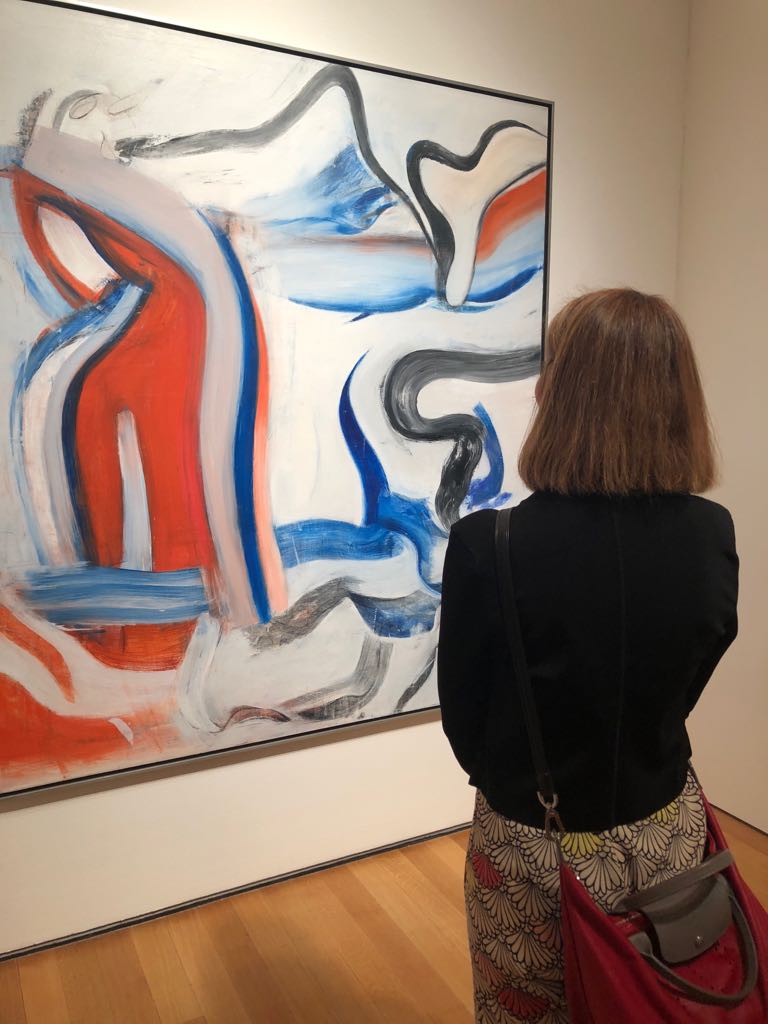
Staying connected is not about keeping up with trends. It is about building context, which is the foundation for collecting.
For news articles and interviews: Read The Art Newspaper, ArtNews / Art in America, Artforum (did you know that Tina River Ryan its new editor-in-chief is a digital art expert & curator, formerly curator of the Buffalo AKG Museum). If you are looking specifically for digital art, I’d recommend CLOT Magazine, fisheye immersive (in French), Outland and publick occurrences
For in-depth exhibition reviews and insights: e-flux.com, Flash Art and The Brooklyn Rail are my go-to publications. Look out for Charlotte Kent’s articles in The Brooklyn Rail for a segway into digital art.
For reports and podcasts: Artnet News provides news, newsletters, seasonal intelligence reports (see the latest one here), and informative podcasts such as The Art Angle and The Art Market Minute
For professional insights: Subscribe to Artnet News Pro, Wall Power by Marion Manecker, The BearFaxt, or Le Quotidien de l’Art (in French)
For entertainment: Follow @jerrygogosian on Instagram for memes and live reports from art fairs worldwide and @jerrysaltz for acidic art commentary. I’d also recommend Hyperallergic and This is Colossal for short, light tone articles
2. Discovering Your Preferred Art Genre(s)
Collecting becomes meaningful when it is rooted in personal taste.
Exploring different art forms helps you identify what truly resonates with you. Museums are an essential starting point. They allow you to encounter photography, contemporary art, digital art, and other mediums within a historical and curatorial context, without any expectation to buy.
As you begin to notice recurring interests, you can deepen your engagement by:
- reading books and magazines focused on those genres
- visiting galleries that specialize in them
- attending talks, panels, or local events
This process corresponds to an essential phase of the collector journey: learning how to look. Taste is not fixed. It develops through exposure, comparison, and repetition. The more you see, the more confident your preferences become, and the easier it is to articulate what you are drawn to and why.
3. Immersing Yourself in Galleries and Art Fairs
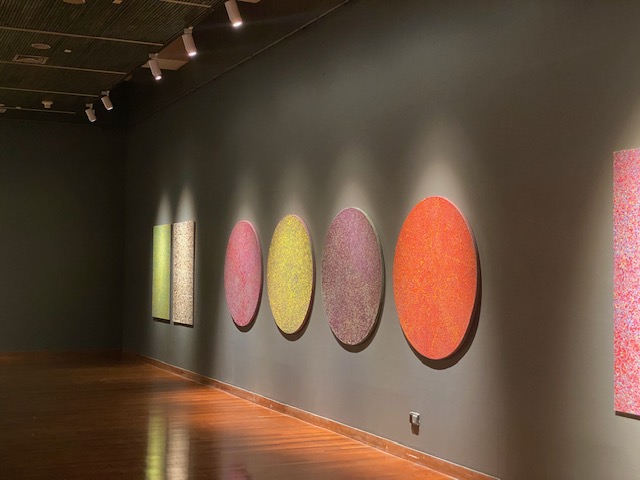
Spending time in galleries and art fairs is one of the most effective ways to refine your eye and gain confidence as a collector.
Local galleries are often the best place to start. Gallery assistants are there to help, and asking questions is part of the process. Attending gallery openings allows you to see multiple exhibitions in one evening and to observe how different spaces present artists, narratives, and bodies of work.
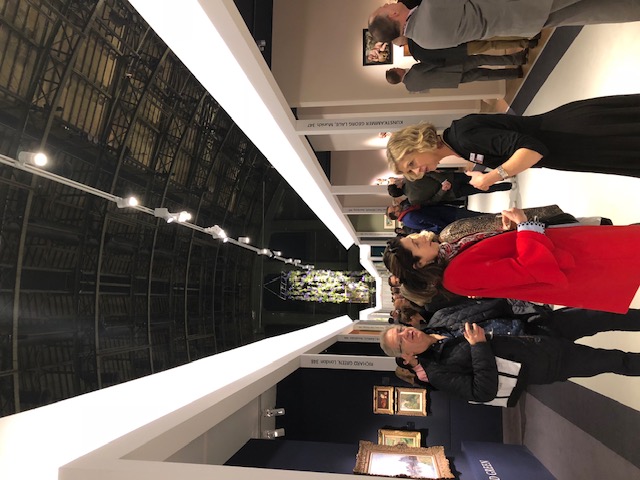
Art fairs offer a condensed view of the market. Events such as Art Basel, Frieze, or The Armory Show bring together galleries from different regions and make it possible to compare practices, prices, and presentation styles in a short amount of time. Smaller satellite fairs and related events often enrich the experience and allow for more intimate and affordable discoveries.
Auction house previews are another valuable and often overlooked resource. They are free, open to the public, and allow collectors to see works up close, study condition and scale, and understand how artworks are contextualized, without any obligation to buy.
These environments are key learning spaces in the collector journey, bridging visual experience and market understanding.
4. Discovering and Following Artists
Finding artists whose work you want to follow is a key part of collecting.
Studio visits, when accessible, offer direct insight into an artist’s process and working environment. Listening to artist interviews or podcasts provides context around their intentions, influences, and methods, helping you understand not just individual works, but the logic of a broader practice.
Follow Unlocked podcast by 100 collectors to delve into the art and NFT realm, LeRandom for generative artist interviews, and Artland for written interviews of Contemporary artists.
Following artists on social media or subscribing to their newsletters allows you to observe how their work evolves over time, how exhibitions unfold, and how new projects are introduced. Collecting becomes deeper when it is informed by an understanding of the artist behind the work, rather than a single moment of attraction.
This long-term attention is what often transforms curiosity into interest.
5. Connecting with Other Collectors
Collecting can be a solitary activity.
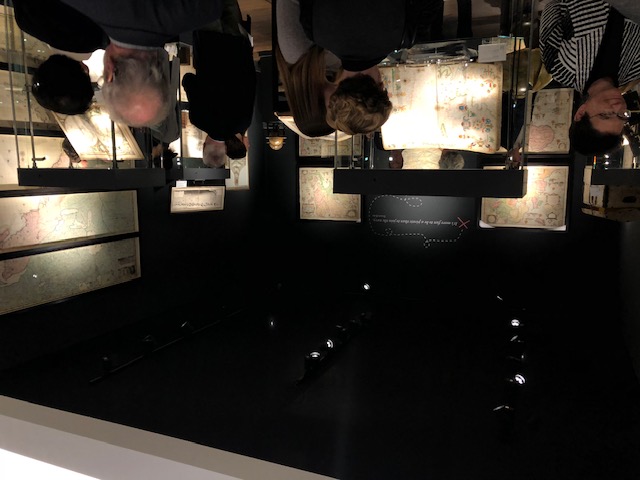
Engaging with other collectors helps you exchange perspectives, share experiences, and learn from others’ paths. Collector groups, both online and in person, offer spaces where questions can be asked openly and where doubts are often shared more freely than in formal settings.
Attending collector or patron events around exhibitions, art fairs, or institutional programming can be especially valuable. Conversations with other collectors often clarify uncertainties, provide reassurance, and build confidence faster than reading alone.
Online discussions (private groups, LinkedIn groups, etc.) also play an important role, particularly in digital art, where artists, curators, and collectors are highly active and accessible. These exchanges help demystify collecting and reinforce the idea that confidence is built collectively, not in isolation.
Join a collectors’ club in your locality or the global community of 100 collectors, to share your collecting passion.
.jpg)
6. Considering Professional Guidance
For collectors who are new to the art world or looking to make more structured decisions, working with an art advisor can be helpful.
Advisors provide guidance tailored to your interests, budget, and time, helping you navigate galleries, artists, and acquisition processes. Their role is not to decide for you, but to help you clarify your motivations, understand market mechanisms, and move from interest to action with confidence.
This step often marks the transition from intuitive collecting to intentional, sustainable collecting.
For members of 100 collectors, an initial advisory session is offered as part of the membership.
Conclusion: Collecting with Intention
The most important principle in collecting art is to acquire works that truly resonate with you. This approach allows collections to withstand market fluctuations and remain meaningful over time.
Building an art collection is a personal journey that combines curiosity, education, and patience. As you progress, allow your taste to evolve, take the time to reflect on your decisions, and enjoy the process of living with art.
The Collecting Journey by 100 collectors
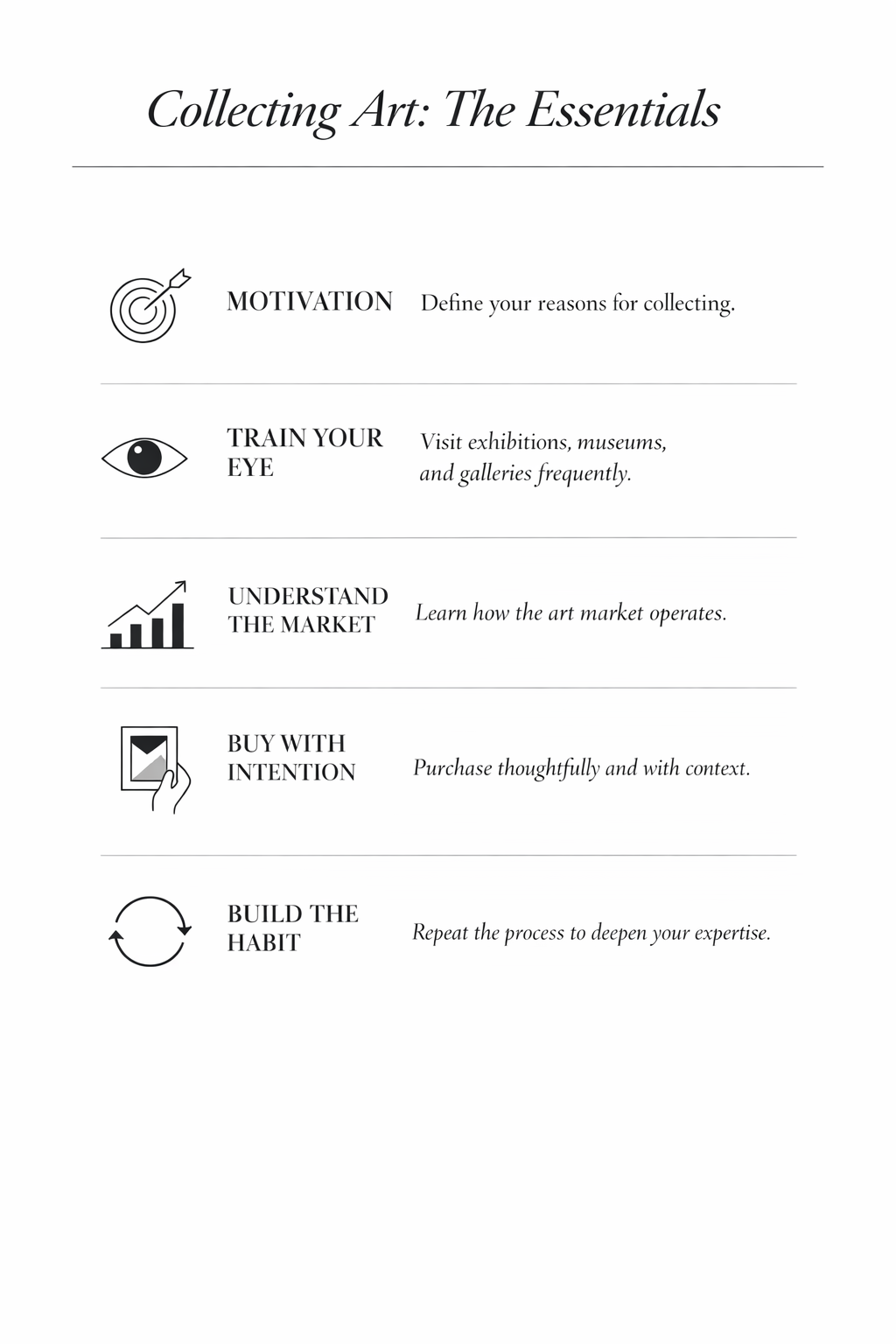
Collecting becomes clearer and more sustainable when approached as a method rather than a series of isolated decisions. Based on our work with collectors, we recommend:
- MOTIVATION: Start with motivation
Clarify why you want to collect before deciding what to buy. - THE EYE: Train your eye through exposure
Use exhibitions, museums, and galleries as learning spaces. Look often and compare works. - THE MARKET: Understand the market context
Learn how artworks circulate, how prices are formed, and how galleries and platforms operate. - ACTION: Move from interest to action intentionally
When you acquire a work, do so with context, care, and time. - HABIT: Repeat the process
Collecting is iterative. Each experience strengthens the next decision.
Collecting art is not about knowing everything. It is about collecting with intention, following your curiosity, and learning to live with artworks over time. A method helps you decide thoughtfully, but passion is what makes a collection meaningful.
