.svg)
Menu
Menu
For the first time in its history, “digital” art entered the core of Art Basel’s main fair. At Art Basel Miami Beach, the debut of the Zero 10 Digital Sector marked a decisive and symbolic moment: a curated space entirely dedicated to digital-native practices - artworks conceived, tokenized, and recorded on the blockchain - positioned at the heart of one of the most powerful art fairs in the world. For those of us who have lived and worked within digital art for years, the anticipation was enormous. How would this space look? How would it situate itself within Basel’s traditional ecosystem? How would such a controversial, often misunderstood category of art be received by a public accustomed to painting, sculpture, and blue-chip canonical forms? The question that hovered above everything was simple: What does it mean when digital art enters the center of the art world and the art market?

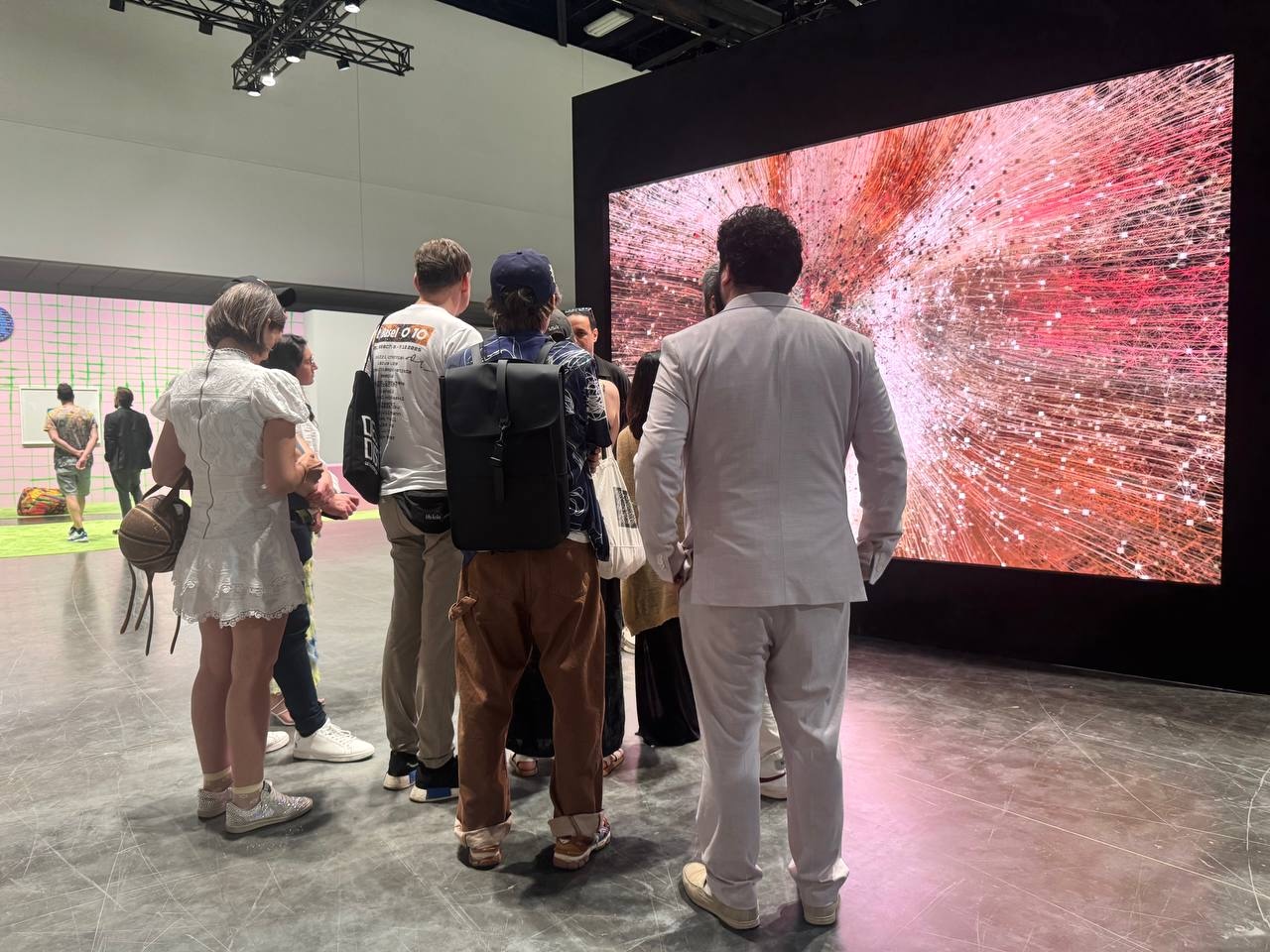
The first surprise came from the spatial design itself. Zero 10 did not replicate the traditional booth architecture of art fairs, with their copy-paste rectangular divisions and rigid white cubes. Instead, the space unfolded dynamically, with walls appearing, dissolving, bending, or vanishing depending on the needs of each gallery and artist. The entire sector felt open, fluid, and intentionally irregular. It allowed installations to breathe, created natural pathways, and invited visitors to wander organically. In many ways, it felt closer to a curated exhibition than a commercial fair, and for digital art - whose formats, scales, and modalities often resist traditional booth constraints - this was a revelation. The layout set the tone for everything that followed.
Another thing that made Zero 10 especially compelling was how strongly it embraced interactivity. Much of the work required not just presence but activation, physical engagement, bodily movement, or direct participation. Yes, all the works were tokenized and ultimately collectible online, but their true logic unfolded only through in-person encounters. And this is something extremely important to underline: for all the discourse about digital art being “virtual,” some of the most powerful pieces at Zero10 existed in the opposite mode, they required you to show up, to move, to kneel, to wait, to interact. Four installations in particular depended entirely on in-person activation and became some of the most discussed moments of the entire fair.
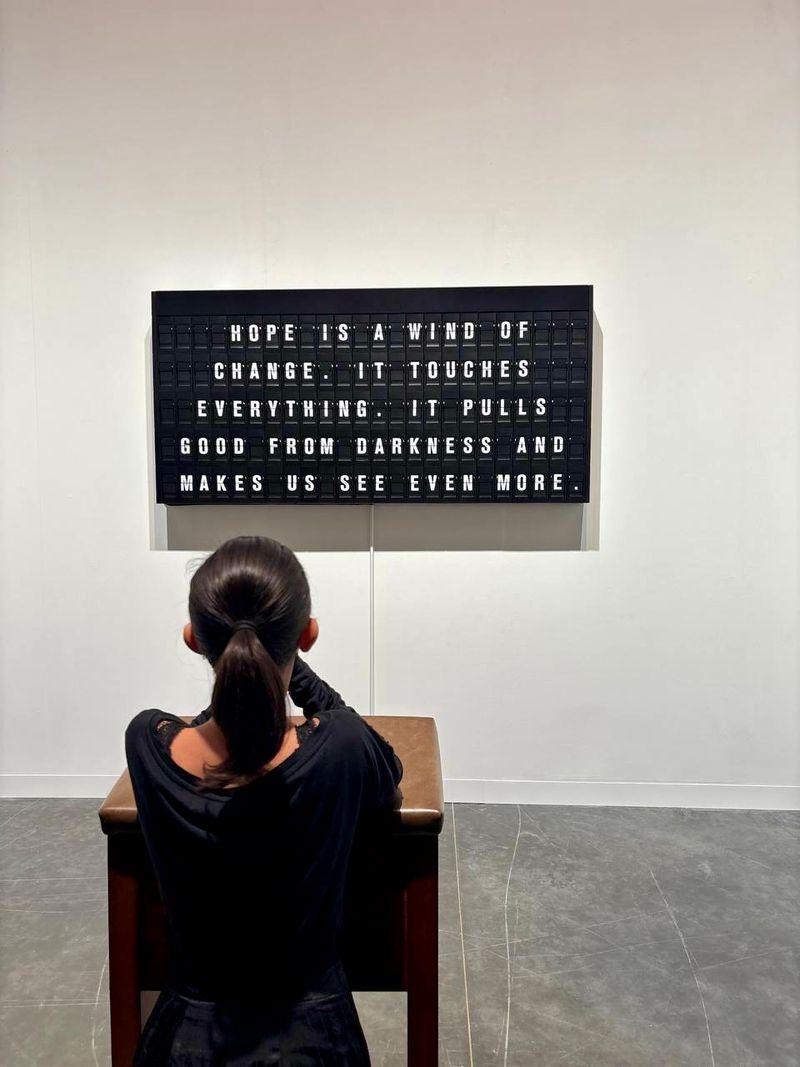
One of my absolute favorites was Mario Klingemann’s installation, Appropriate Response, presented by Onkaos. To engage with the piece, visitors had to kneel - a gesture loaded with cultural and spiritual weight, especially for those like myself raised in predominantly Catholic countries. When you kneel, you trigger a machine that produces a personalized 120-character AI-generated sentence. But something extraordinary happens in that moment: the act of kneeling transforms the encounter into a kind of ritual. It feels sacred. It feels like receiving a prayer. The sentence, though short, arrives with a surprising emotional resonance, as if the AI truly intended it for you. In my opinion, Klingemann’s genius lies in creating a situation where technology becomes a vessel for spirituality, collapsing the distance between devotion and algorithm, belief and computation. It is a piece about compression, language, and authorship, but above all, it is a piece about faith, a faith redirected toward a machine, a new kind of oracle for a new era.
Another participatory highlight was Jack Butcher’s artwork for Visualize Value. The premise was simple: you swipe your credit card, pay anywhere from $1 to much more, and you receive a printed receipt that is itself the artwork (you can then redeem the NFT if you'd like). But in this gesture, Butcher condensed an entire critique of value, economy, and art-market absurdities. One thing that made it particularly charming and fun was the moment of signing the transaction. Visitors quickly realized they could alter their digital signature so that their printed receipt would include dedications, jokes, personal notes. One friend even made mine say “for Eleonora.” And then there was Butcher’s perfect punchline: the more you paid, the longer the receipt became. It was conceptual clarity at its best, minimalistic, sharp, ironic, and deeply accessible even to those unfamiliar with crypto or blockchain. People who had never interacted with NFTs suddenly found themselves participating in a conceptual art transaction, paying for “value,” receiving “value,” and questioning what “value” even means.
Then came XCOPY’s Bubble(s), one of the most fun and conceptually rich installations at the fair. XCOPY, one of the undisputed disruptors of the crypto art space, collaborated with Mimi’s Nguyen Wahed Gallery to build a laundromat inside Art Basel. Visitors queued in front of washing machines to receive a laundry slip asking them what kind of service they wanted - wash, dry, or humorous allergy checks (“Are you allergic to influencers?”). You then provided your email, and the gallerist handed you a plastic bubble containing soap and a QR code. Scanning the code revealed how many digital “bubbles” you had received. I got 100; others got 250, etc. But here is the artwork’s conceptual pivot (all coded and happening on the blockchain): for ten years, one bubble will pop every single day, until only one remains. And the holder of the last bubble is the owner of the final artwork. It is a long-duration performance, and for me personally, the work reflects the countless bubbles we inhabit - the art market bubble, the digital art bubble, the crypto bubble, bubbles inside bubbles inside bubbles. As I wrote when leaving Miami: there were bubbles everywhere this year, like always, but at least this time they were beautiful and made by XCOPY.
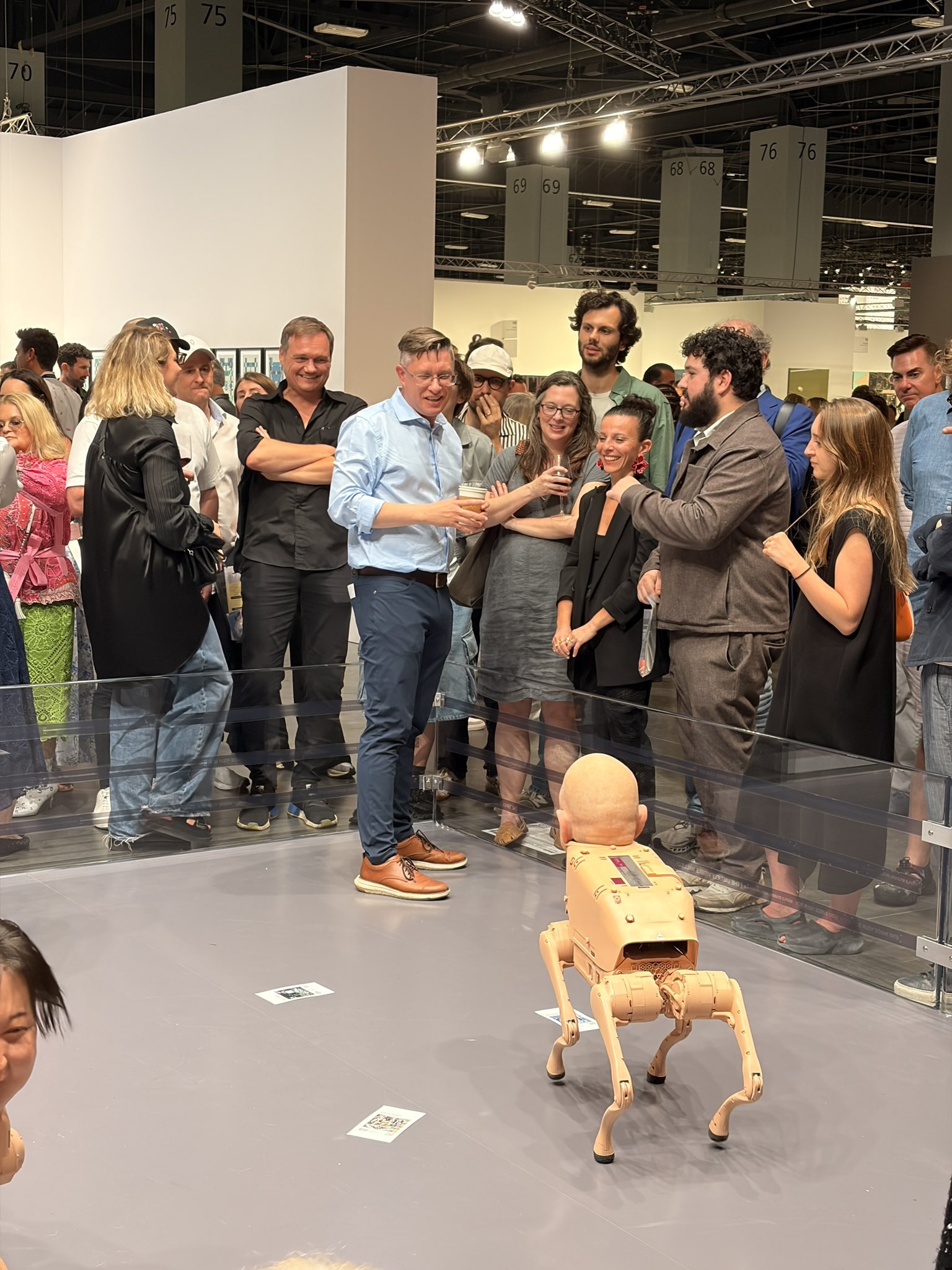
But nothing compared to Beeple’s Regular Animals, which quickly became the phenomenon of Art Basel Miami Beach. The installation featured animatronic robot dogs wearing hyper-realistic silicone masks of Elon Musk, Jeff Bezos, Mark Zuckerberg, Picasso, Warhol, and even Beeple himself. These robotic “animals” wandered inside a fenced pen, photographing visitors with cameras embedded in their heads, processing the images through AI filters tied to each persona, and then excreting the resulting prints as satirical artworks. The prints - and sometimes NFTs - were free, but could only be obtained by physically standing there and waiting for a dog to “poo.” The crowds were enormous. By day two, it felt like a pilgrimage site. The installation appeared in newspapers, magazines, national TV, international TV: everyone came to see the dogs. Unlike certain infamous fair controversies (yes, the banana), nothing had to be removed. Despite the chaos, the atmosphere remained fun, communal, and strangely harmonious. I believe this is because the digital art community is fundamentally more open and welcoming than the traditional art world. People didn’t feel policed or out of place; they felt invited. Underneath the absurd spectacle lay a sharp critique of control, power, identity, and the absurd mechanics of value in today’s algorithmic society. Beeple did what he always does: provoke, disrupt, entertain, and trigger real reflection.


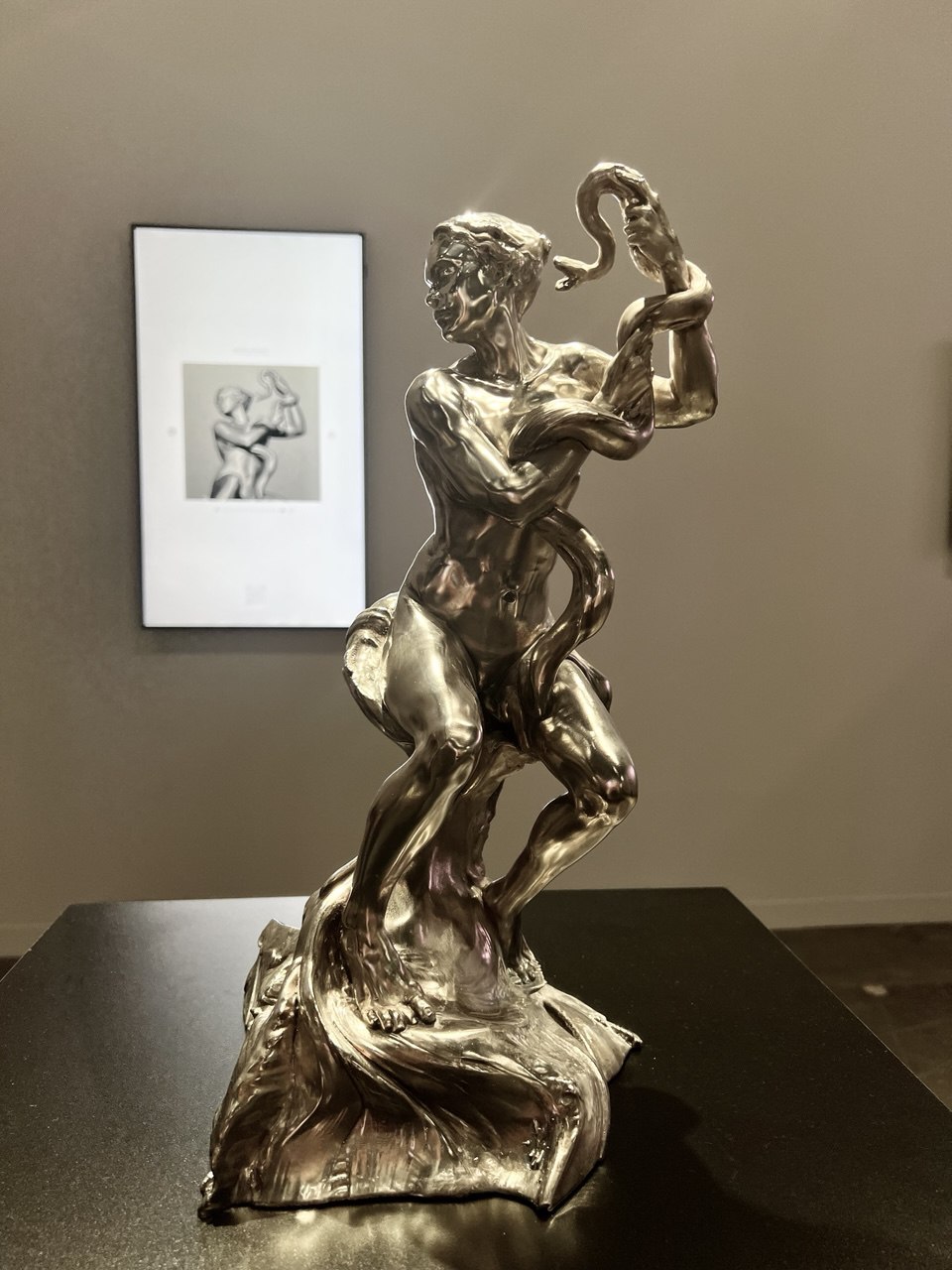
Beyond interactivity, Zero 10 presented a range of exceptional exhibitions. Art Blocks showed Quine, the final entry in the 500-project Curated series by Larva Labs, a recursive generative artwork that elegantly closes a major chapter in on-chain generative art. Asprey Studio, a historic London-based luxury goods house and contemporary art gallery, exhibited silver sculptures by Andrea Chiampo and Yatreda, each paired with their digital “soul,” bridging centuries-old craft and blockchain-native conceptual frameworks. IX Shells, presented by Fellowship and Artxcode, presented digital videos and stills accompanied by a large, motion-responsive screen that allowed visitors to shape the artwork through the movement of their bodies.
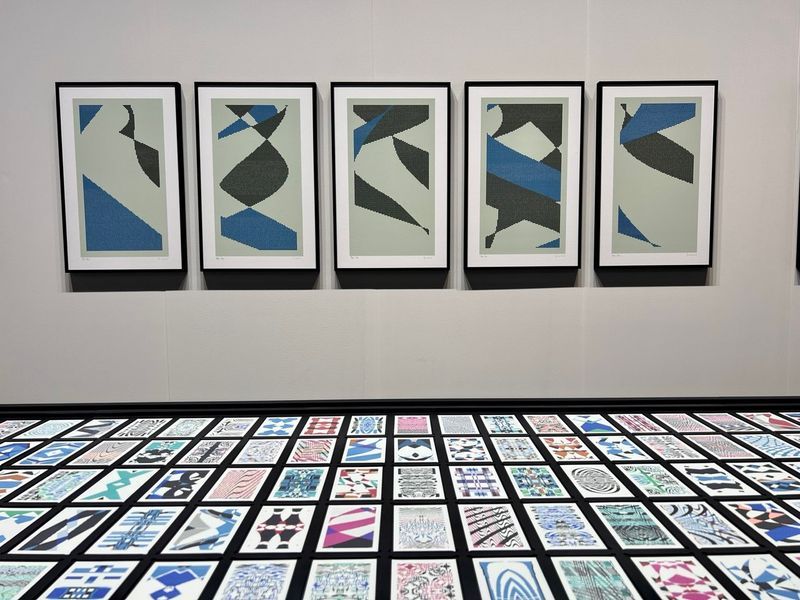
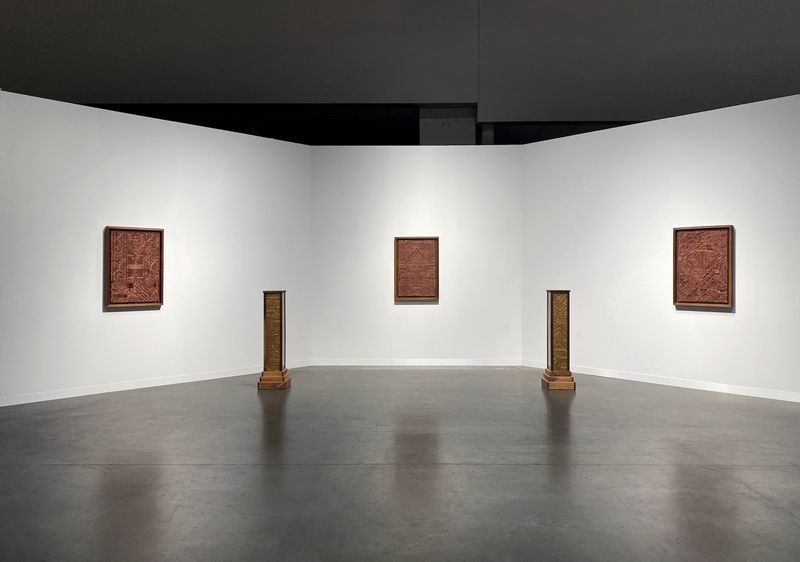
Heft Gallery exhibited physical sculptures by Michael Kozlowski, highlighting how traditional gallery structures - catalogs, physical space, long-term programming - can support deeply contemporary, code-driven artists. bitforms Gallery reinforced historical lineage with the pioneering algorithmic work of Manfred Mohr, while also presenting contemporary voices like Maya Man, who draws directly from internet-native aesthetics and digital vernaculars. Meanwhile, generative luminaries Dmitri Cherniak and Tyler Hobbs exhibited beautifully crafted physical translations of their algorithmic languages, offering collectors familiar with materiality a bridge into computational art.
Digital art extended well beyond Art Basel and into several key moments across the city. At NADA, London’s Annka Kultys Gallery presented an outstanding selection that included an AI animation by Jonas Lund and physical manifestations of works by Sasha Stiles. The gallery’s broader practice is also reflected in its new London project, Art Loft, which embraces a domestic, seminar-based presentation model, mirroring the intimacy and discursive nature of emerging digital communities. At Untitled, the fair’s architecture - especially the angled, colorful booths toward the far end that I particularly loved - created a more site-specific backdrop for ambitious digital art presentations. bitforms delivered a fantastic booth featuring works by Zancan, Ana María Caballero, Sarah Rothberg, and others, reaffirming the gallery’s long-standing role in software- and code-based practices, as well as its sustained presence within Miami’s art-fair landscape, particularly at Untitled. Heft Gallery presented a rich, multi-artist booth that exemplified its distinctive position within the digital art landscape, bringing together works that span sculpture, code-based practices, and material experimentation. Within this broader presentation, a particularly strong focus was given to Auriea Harvey, whose works - ranging from Carrara marble sculptures to earlier pieces from 2018, 2021, and 2023 - were shown alongside works by Nancy Burson, Zach Lieberman, and other artists from Heft’s program, creating a layered dialogue between historical digital practices and contemporary material forms. PLAN X, also at Untitled Miami Beach 2025, presented a strong selection of digitally driven works by Giuseppe Lo Schiavo, Six N Five, and CB Hoyo, further reinforcing Untitled’s role as a platform for forward-looking digital and hybrid practices. At Scope, Superchief Gallery continued its tradition of showcasing crypto and NFT artists on large-scale screens at the fair’s entrance, including the Italian artist project Them, while Jeremy Booth - long associated with NFT platforms - presented a dedicated booth inside the fair.

Another significant moment was Looking at Models, an exhibition curated by Charlotte Kent for the MUD Foundation, featuring artists Boris Eldagsen, Carla Gannis, Emi Kusano, Fabiola Larios, Gretchen Andrew, James Bridle, Maya Man, Michael Mandiberg, and Vuk Ćosić. The exhibition examined the concept of the “model” across art history, science, and contemporary computational systems, with a particular focus on AI. Through photography, ASCII art, and text-to-image and video generation, the works explored how statistical models both emerge from and actively shape cultural, social, and psychological frameworks. By repeatedly returning to human figuration, the artists sought to reinsert presence into systems that extract data while ignoring lived complexity, critically questioning our role within techno-capitalism, mass and personalized media, posthumanist thought, and contemporary art itself. The exhibition formed part of the ongoing Media Under Dystopia program, dedicated to tech-centered and critically engaged media practices.
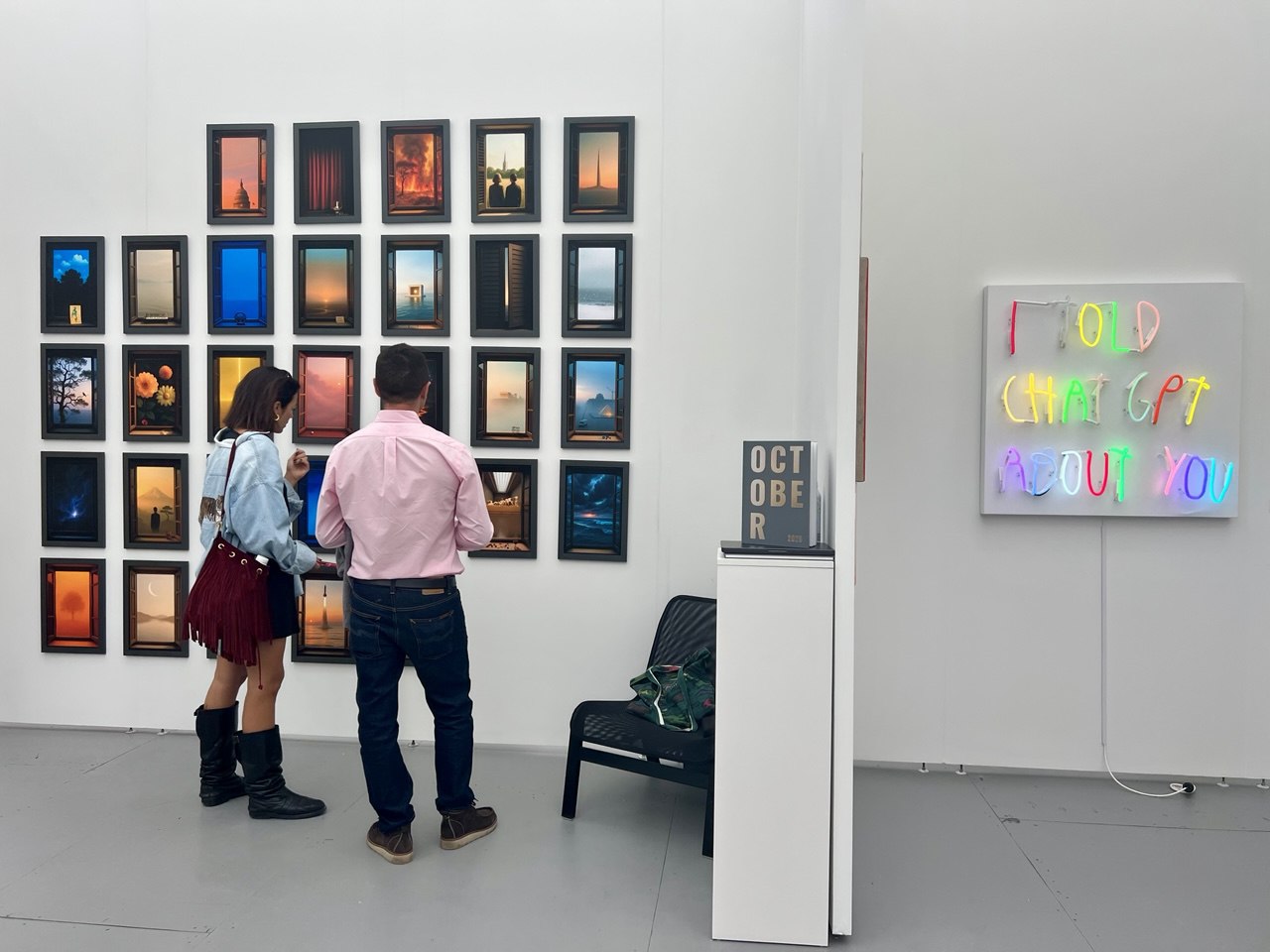
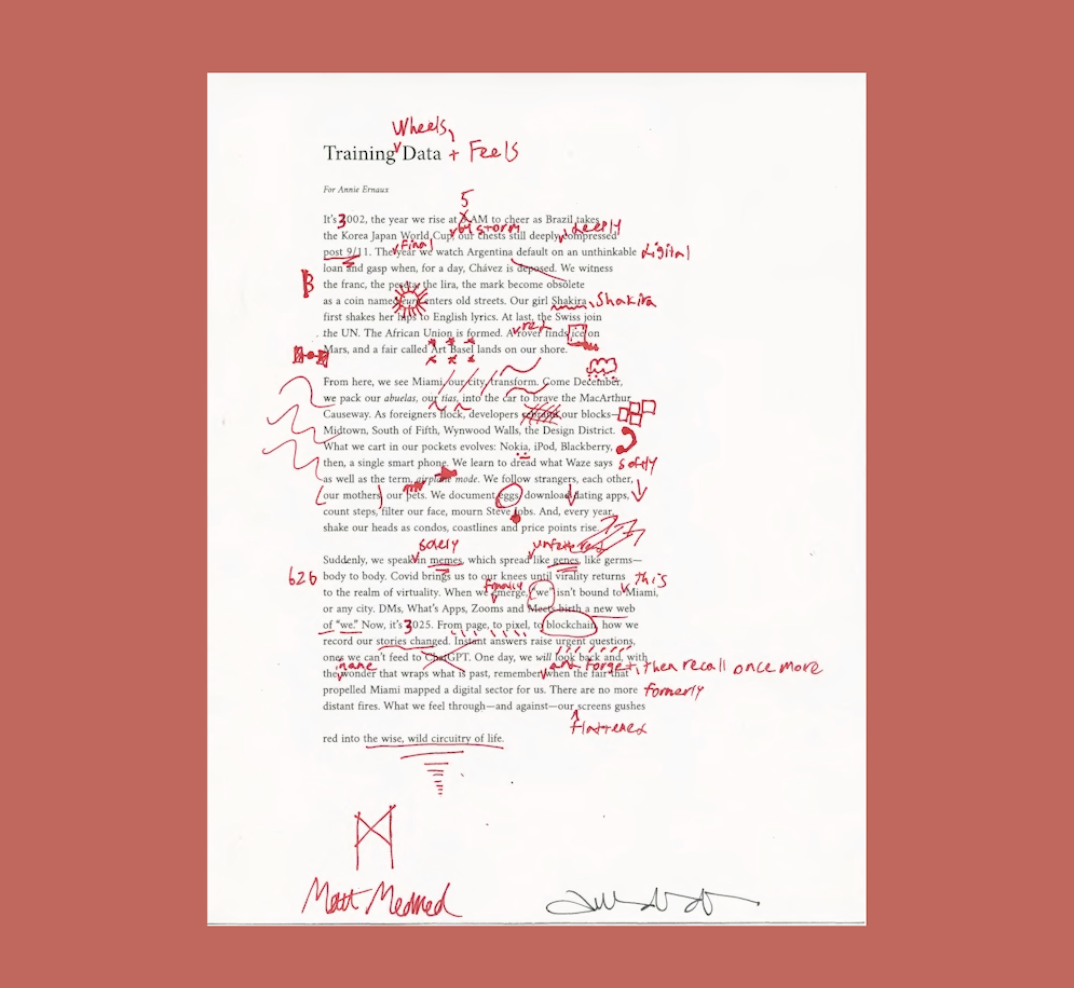
And going back to Zero 10, several curated projects deepened the conversation around digital and tokenized art. In partnership with Art Basel, OpenSea commissioned Ana María Caballero to create In Record Time to commemorate the launch of Zero10. At the heart of the project is Training Data, a poem in which Caballero situates this historic moment within her own personal and artistic narrative. The work invited artists to hand-annotate the poem, engaging in an act of analog generativity that foregrounds how meaning is co-produced by readers and writers. The coexistence of handwritten marginalia and digital presentation offered a powerful reflection on how memory is currently archived, through lived experience and through code.
It’s important to clarify that when we refer to digital art in the context of Art Basel Miami Beach this year, we primarily mean tokenized, blockchain-registered, digitally native work - art created with digital tools such as AI, code, or algorithms, then authenticated on-chain. Across Miami, this field didn’t simply have visibility; it had momentum, community, attention, and legitimacy. And the historic turning point is impossible to overstate: for the first time ever, blockchain-native digital art was shown inside the main fair of Art Basel. Not in a corridor, not off-site, not upstairs, not hidden in a garage, but inside.
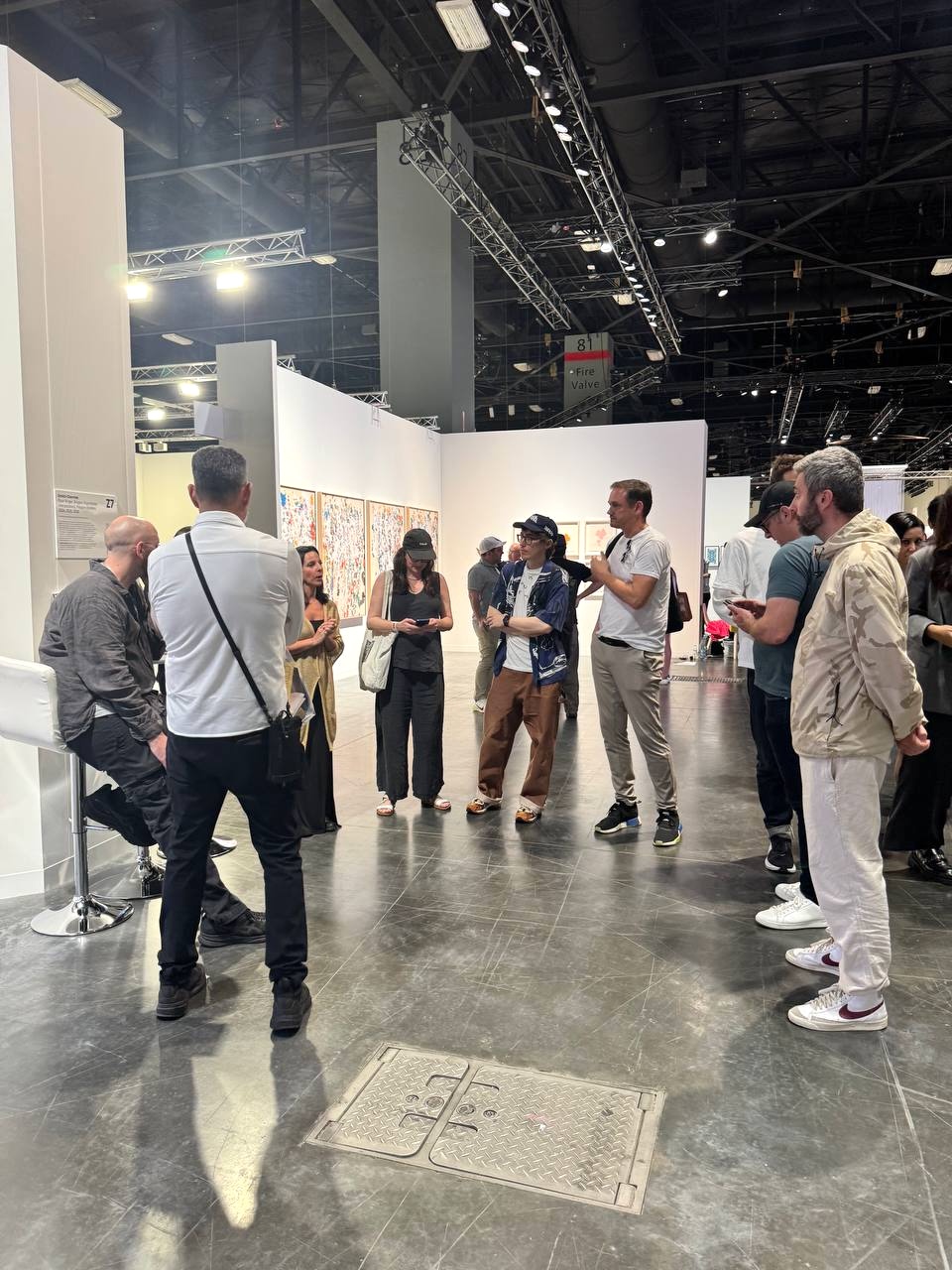
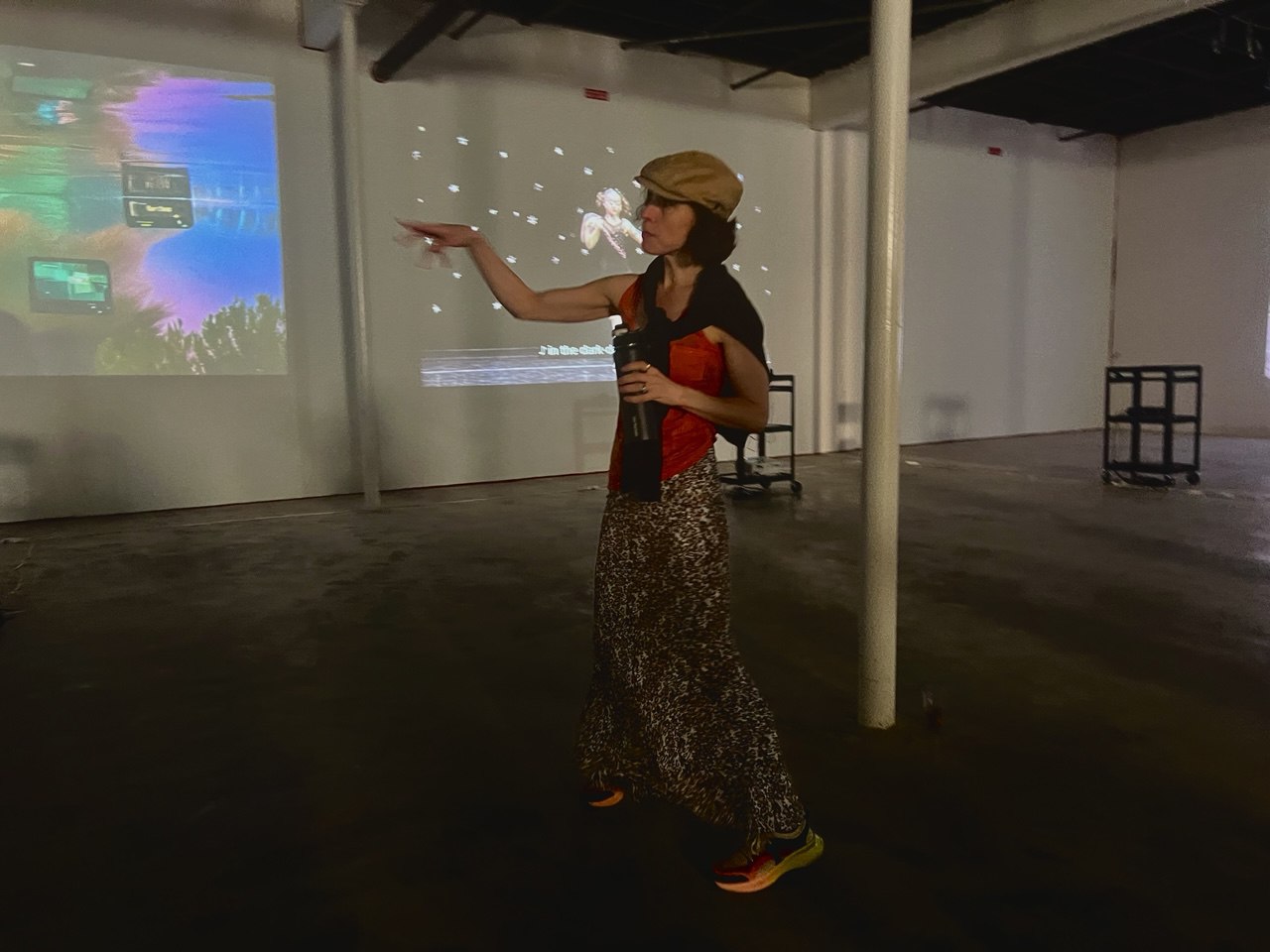
But perhaps the most revolutionary aspect of Zero10 was this: the artists were present. In traditional art-fair culture, it is almost taboo for artists to appear inside the booth that represents them. But in the digital world, artists have always been there: speaking, participating, activating, explaining, connecting. At Zero10, their presence transformed everything. Collectors could speak directly with creators. Visitors could understand the work not through intermediaries, but through living conversations. Galleries collaborated fluidly with the very people whose work they were presenting. It felt like a union - a community of pioneers, newcomers, platforms, and galleries coming together to show the world what digital art is capable of when given a real stage.

