written by:
Pauline Foessel
-
Nov 2025
.svg)
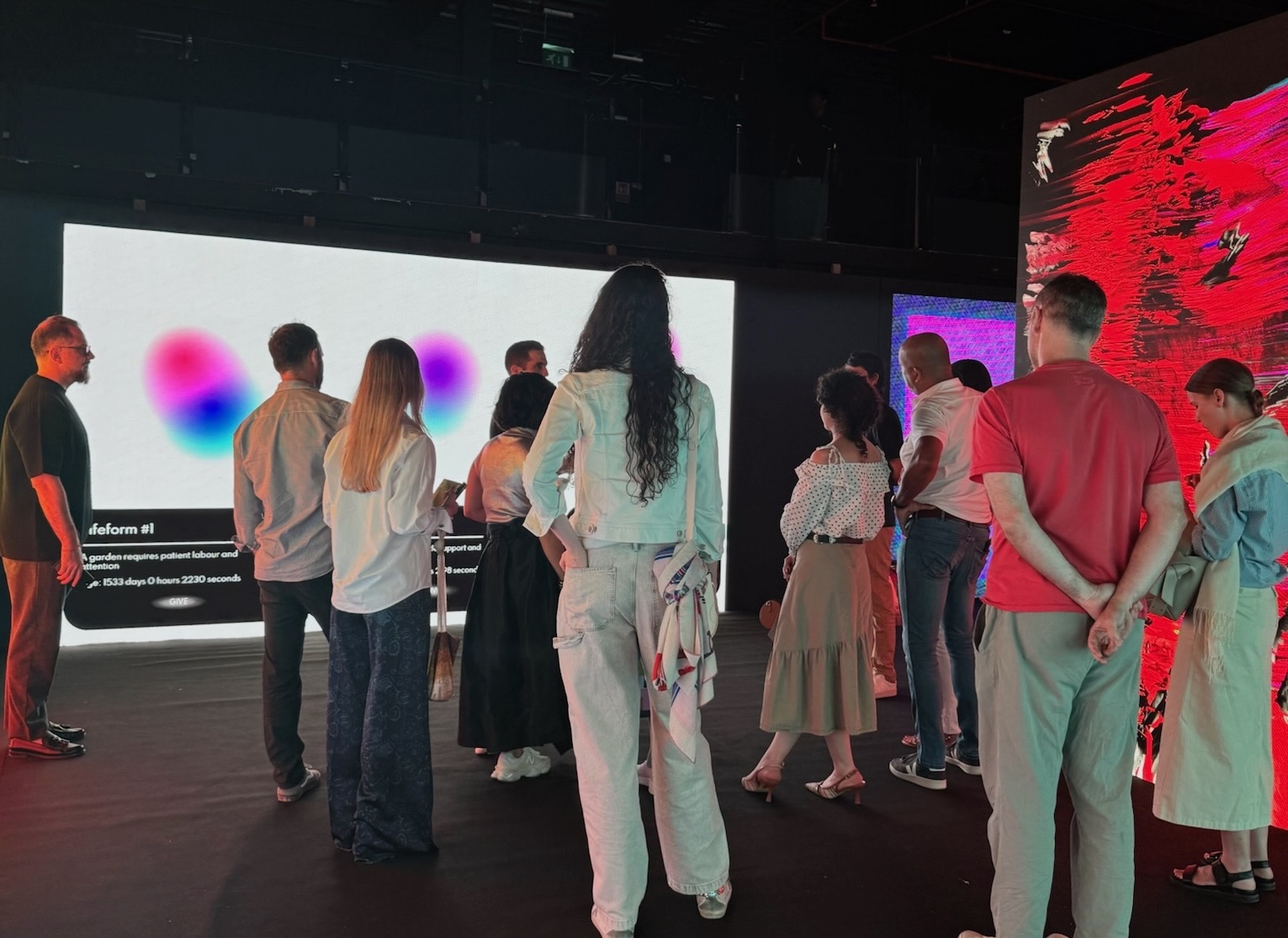
Saturday at Abu Dhabi Art felt like the beginning of something.
Our first real activation in the Middle East since deciding to build a long-term presence in the UAE, and the day carried exactly the kind of energy I want 100 collectors to stand for: curiosity, generosity, and people genuinely wanting to understand.
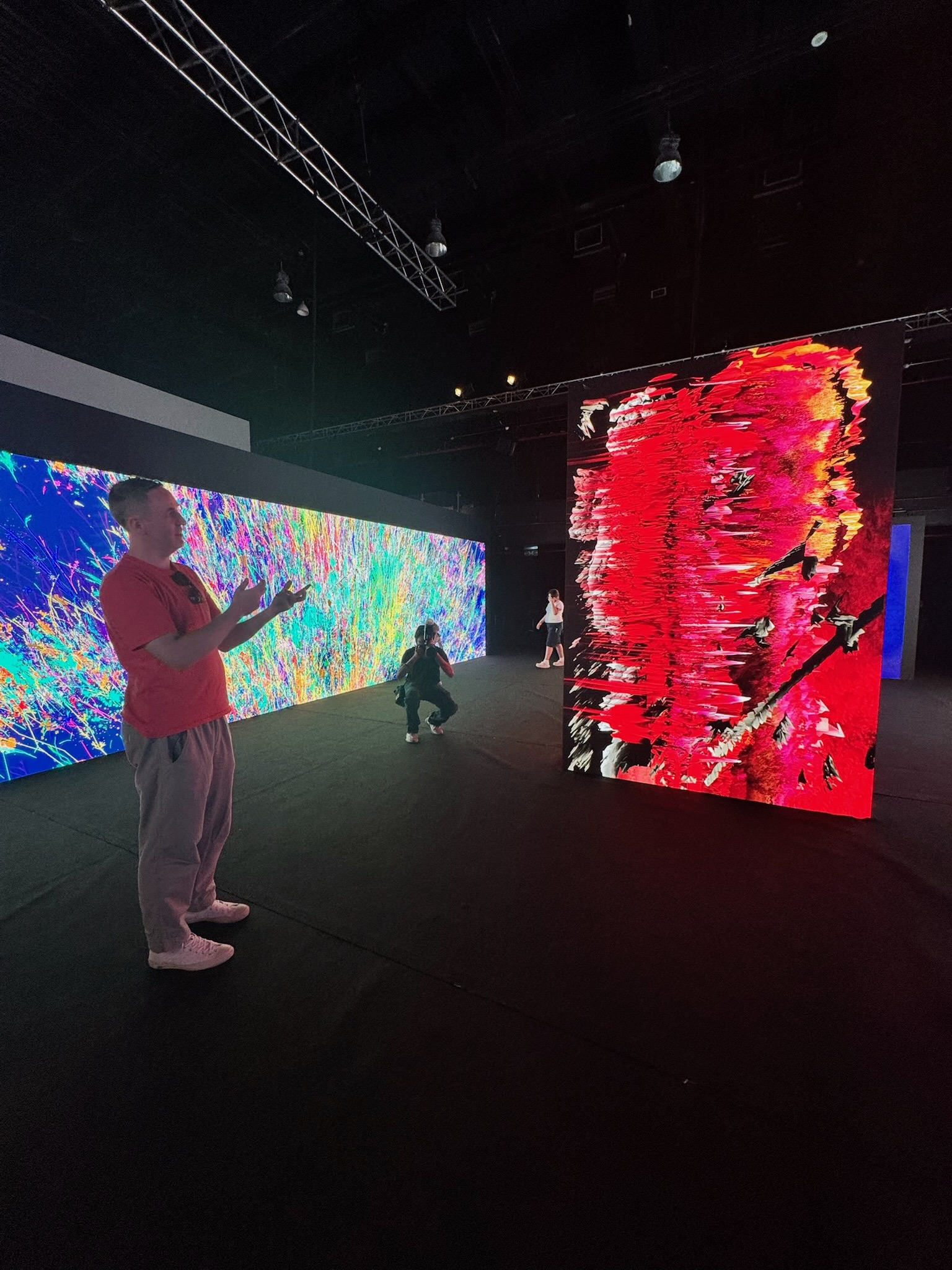
We started in the immersive space hosted by Reimagined, surrounded by large-scale screens glowing with works by Leander Herzog, Sarah Friend, Loucas Braconnier, MathCastle, Matt Kane, and James Bloom.
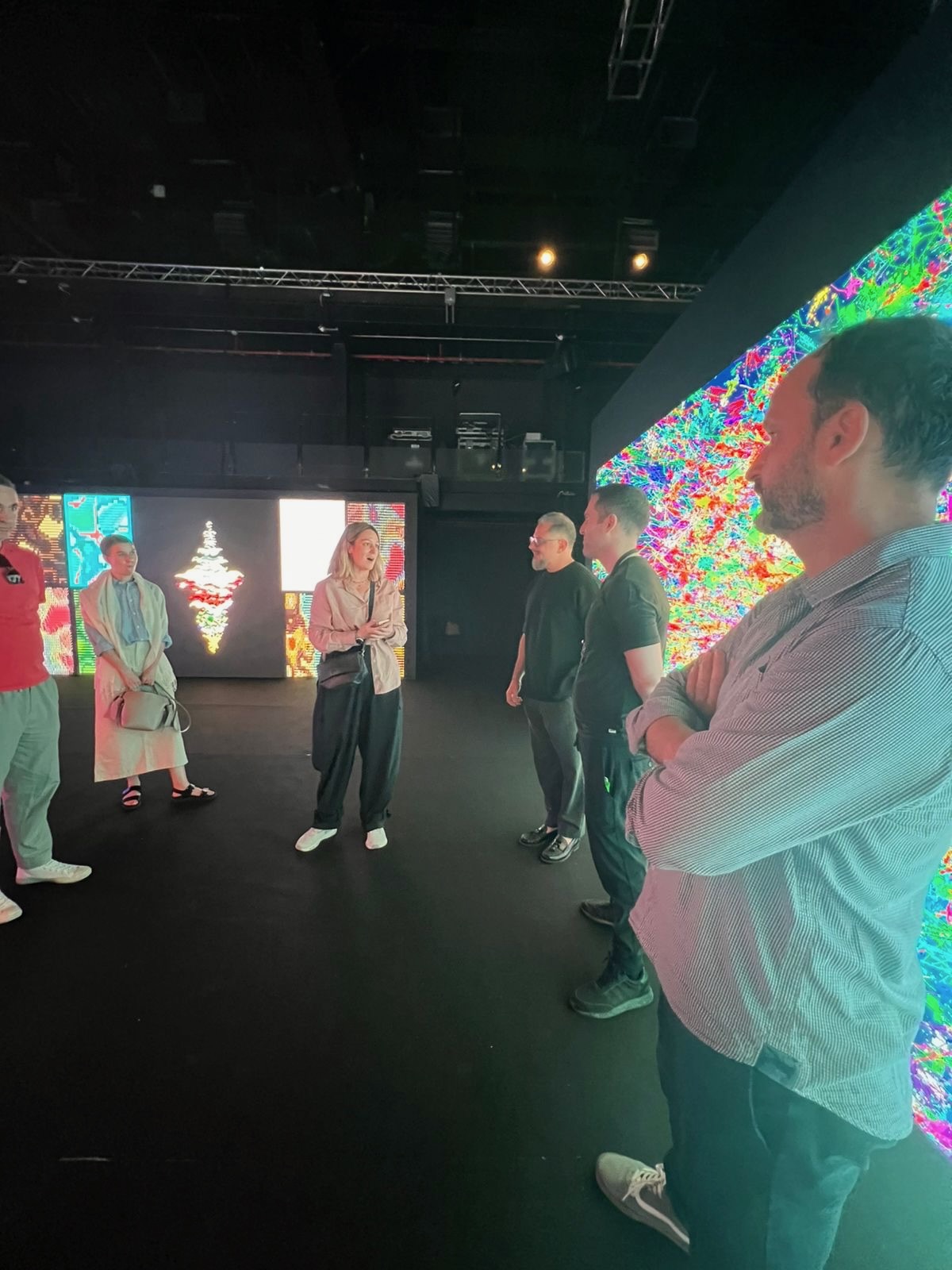
Fifteen of us — collectors and curators, half based in the region, half from abroad — moving slowly through a dark room alive with generative motion. Many people were completely new to digital art, and you could feel it immediately in the questions:
“How do you live with something that changes?”
“Where is the artwork exactly?”
“How do you collect this?”
These are my favorite questions. They mean a real dialogue is beginning.
We explored the logic behind each work:
Then we moved to the second room — an important one.

James Bloom welcomed us into a separate, more intimate room where he presented his new series Half Cheetah, a series of 180 works he has been developing.
He explained the project in his own words:
how he uses reinforcement learning agents — the same kind used in robotics — and trains them to learn a body from scratch in virtual space. These agents stumble, fall, learn, and improve over millions of iterations, and James captures these stages and maps them onto 3D-scanned human bodies.
It's strange, disarming, sometimes unsettling — these almost-humans moving with a logic that isn’t human at all.
In this small room, people didn’t look away.
They leaned in.
James talked about the series with generosity and so much clarity. It wasn’t about technology; it was about behavior, failure, rhythm, and our relationship to systems that try to optimize us.
I loved watching collectors react — the mix of fascination, discomfort, and excitement.
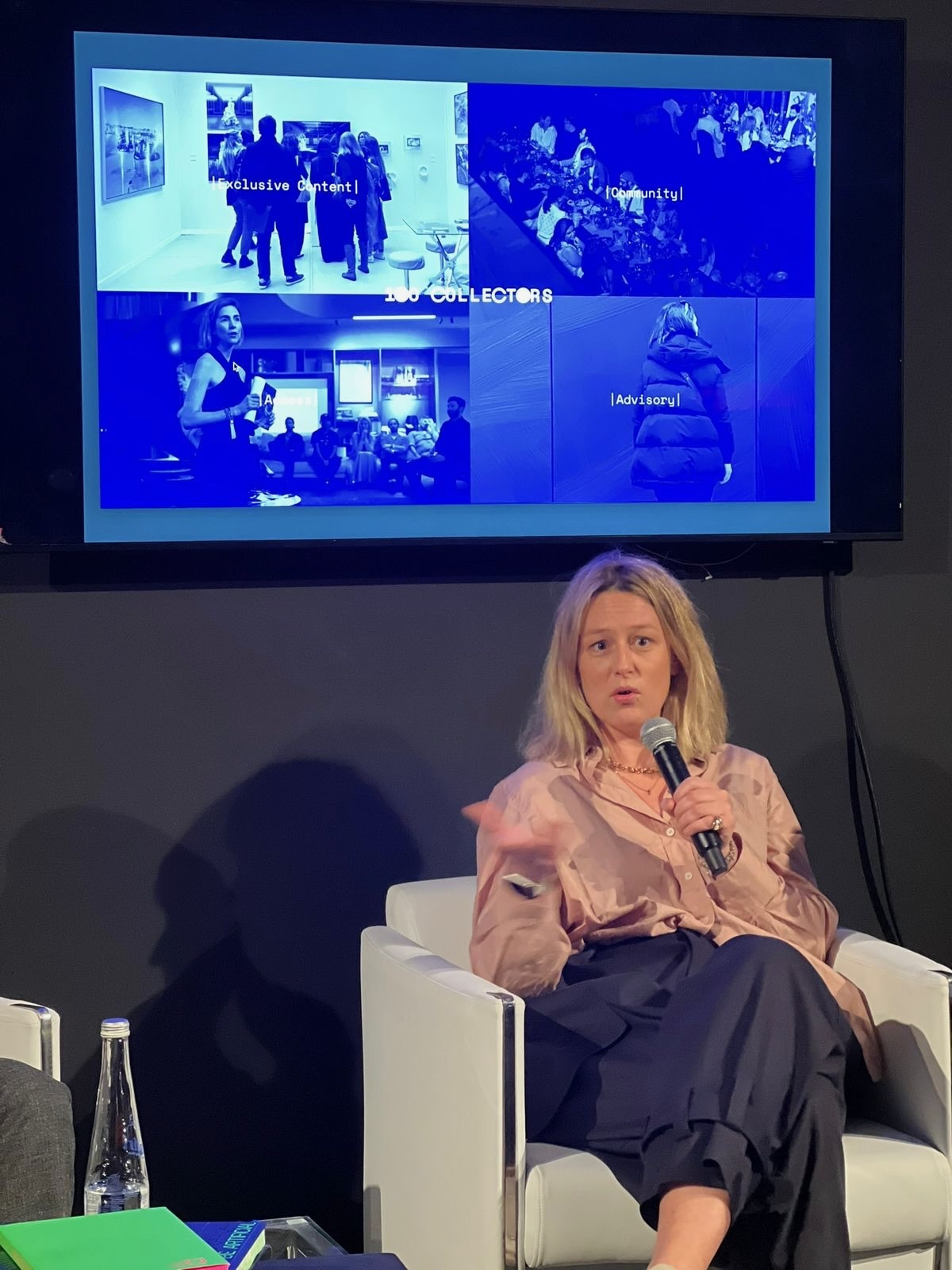
At 6PM, we continued with the talk moderated by Justin Gilanyi, joined by Basha and myself. We structured the conversation around the questions people always ask:
HOW to collect.
WHAT you can actually own.
WHY decentralization and blockchain matter for art.
Basha shared his personal journey — how he started on Hic et Nunc during the pandemic, how he learned by collecting widely, by making mistakes, by following instinct and community. He said something that stayed with me:
“It used to feel like a lonely path, but thanks to clubs like 100 collectors, it doesn’t anymore.”
I explained how we support collectors, how we choose what to highlight, and how participation — not speculation — is what makes this space so rich.
The Q&A was warm and open.
People weren’t afraid to say “I don’t understand.”
That always means they actually want to.
Presence.
That’s what I felt the whole day.
Everyone was present — curious, attentive, asking real questions.
Digital art and blockchain are not easy subjects, and watching people who knew nothing walk out thinking, “Actually, this is interesting,” is the whole point of why I build bridges between these worlds.
We received lovely messages afterward. Conversations continued privately. And most importantly, this day made me feel that our presence in the region will grow in a grounded, meaningful way.
It was a beautiful beginning.
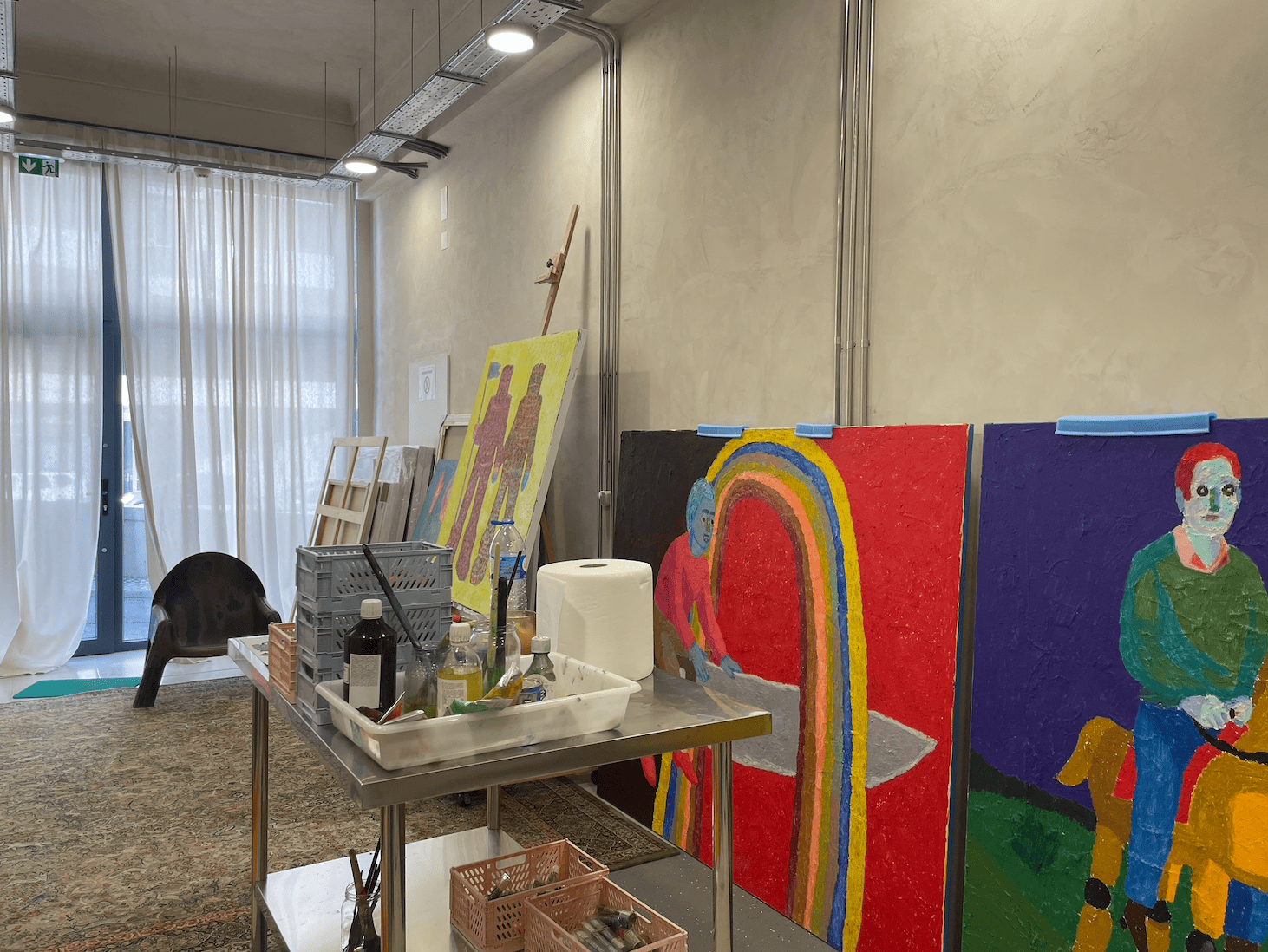
An intimate visit to Diogo Potes’ Lisbon studio, where the artist shared his transition from graphic design to a dedicated artistic practice, revealing his process, materials, and evolv
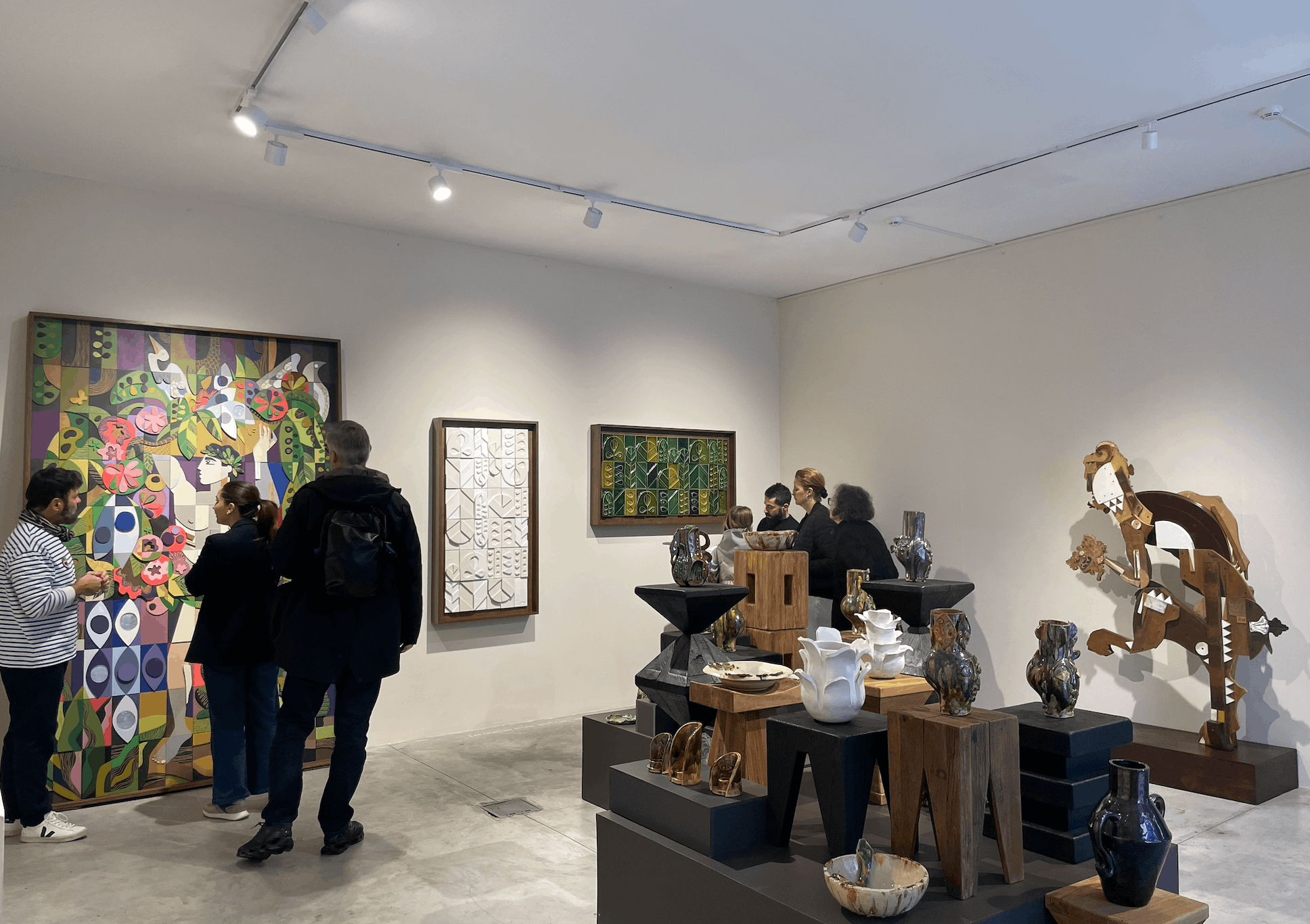
Our collectors gathered for an exclusive visit to Oficina Marques, the Lisbon-based studio and exhibition space of the artist duo. They opened especially for our group, creating the
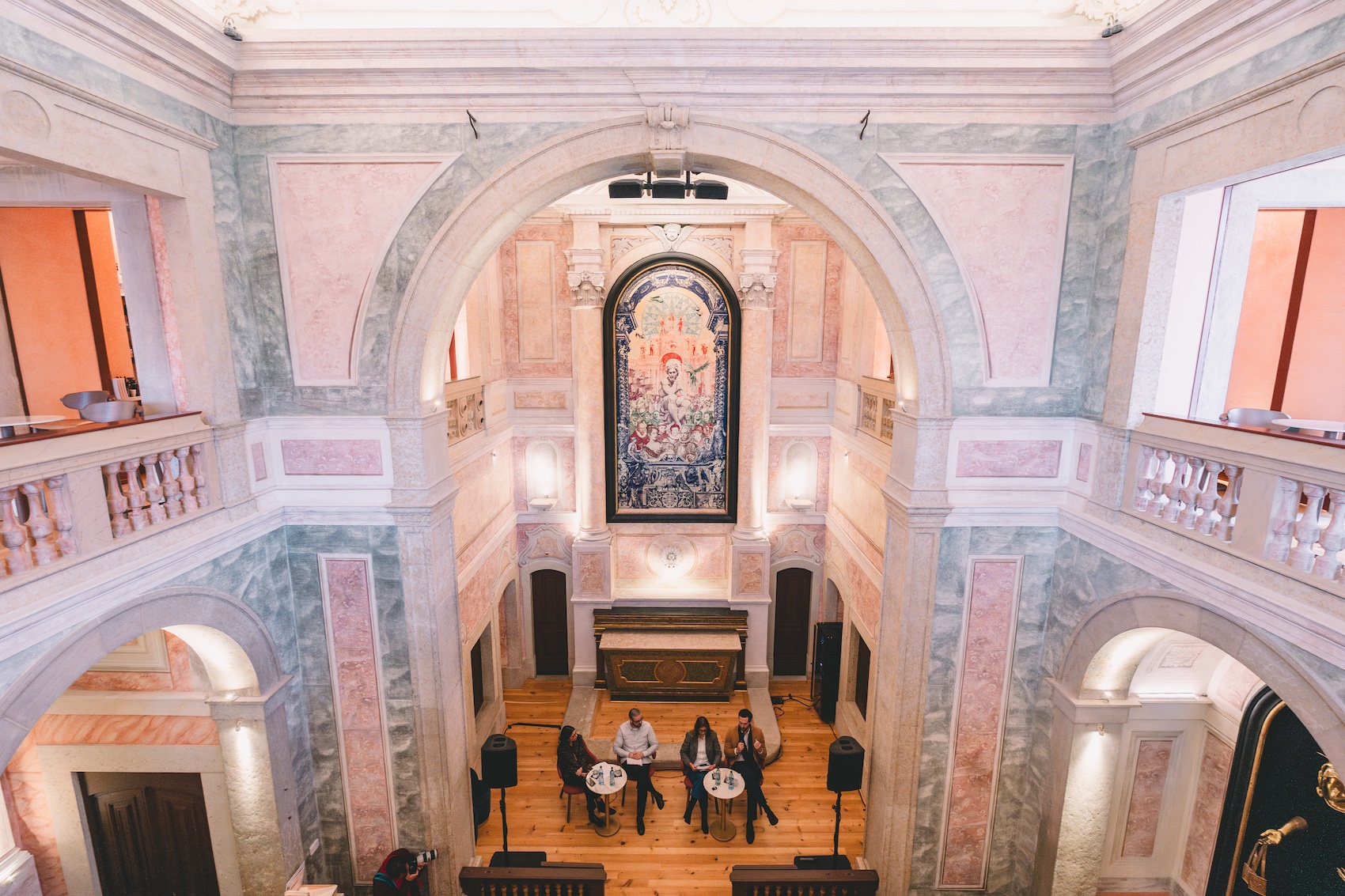
In collaboration with MACAM Museum in Lisbon, we held a thought-provoking conversation around one of the most art world's captivating questions: why do we collect art? What do you think


